The Broadcasting Act 1990 was created by the UK parliament, this was through the support of the conservative party (which was the party in power at the time) , in carrying it through the parliamentary stages whilst it was still a bill. As Margret Thatcher was the prime minister at the time, the act was often regarded as 'thatcherism'. Margret Thatcher described British broadcasting as "the last bastion of restrictive practices". The act allowed for there to be a huge amendment or reform of British broadcasting. This however resulted in the termination of the Independent Broadcasting Authority (IBA) which is was the regulatory body in the UK for commercial television such as ITV and Channel 4. This was replaced by the Independent television commission (ITC) which then regulate these commercial channels. The act also established the Channel 4 television corporation to run Channel 4, which was regulated by the ITC.
Independent Broadcasting Authority
Once the act had been passed, it impacted many areas of the British television industry. The impact was good but mostly it had a negative effect on how things were carried out making and most certainly regulated. Firstly, the biggest impact it had was the replacement of the IBA with the ITC. This was impacted because it now meant that they merged together the form was is known as OFCOM. Subsequently, this meant that the television industry was more liberal in what it was able to broadcast on TV, without the risk of it being cancelled or taken off air. This was in a way deregulating television to allow for the industry to grow in creativity and develop ideas, in order to keep up with other major competition such as American TV.
Another impact that the act had was giving the ITC more power than the IBA over the regulating of both terrestrial and non-terrestrial channels. This deregulation had a positive impact on companies who were able to set up TV channels, which created a variety in choice in the British television industry. This changed was described by David Waddington as ''a massive expansion in choice''.
The Independent Television Commission's role was to licence and regulate commercial television in the UK. This included regulating the existing fifteen channels as well as ITV, and channel 4. The ITC was then merged with IBA in 2003 and became known as OFCOM, which was done through the communications act 2003, they now regulate television and radio in the UK.
The Broadcasting Act 1990 allowed for the final terrestrial channel to be created before television moved to digital. This was Channel 5 and was created in 1997.
In my opinion I think it was an overall good thing, to have an extra channel be created through this act. This is because it opens up and allows for opportunity in innovating broadcasting ideas, developing them and creating change through those ideas, which will inevitably impact on British television. The fact that the act had an effect in regulation also makes it a ''good'' thing in terms of the creation of the final terrestrial channel. The BBC makes much of their own content - known as 'in- house' production - as well as commissioning content from independent producers. Although editorial decisions are for the BBC Executive, the trust has a number of specific duties in the area. For example Original Productions - the BBC Executive and Ofcom must agree an appropriate proportion of programming to be made in the UK outside the M25 area.
Around a quarter of BBCs revenues come from its commercial arm BBC Worldwide, which sells BBC programmes and services internationally and also distributes the BBCs international 24-hour English-language news service BBC World News. Rupert Murdoch profited from the Act as he was bringing in more companies to the UK. This was a good thing because the audience would have more variety of channels to watch and even some international channels as well. However, its bad because everyone is paying a license fee which is pricey. But in order to watch these you need to pay and plus the audience are getting original content so its worth paying the money.
What are ethics? These are the moral principles that define how a person or group acts. I am going to be explaining how ethical issues are approached in the TV and Film industries.
Many people mistake ethics with morals, which is completely fine because they do have interlinks. Focusing on TV and Film, there is no need legally for institutions to act in an ethical manner or nave ethical/ moral values, it may cause them to be badly represented to their audiences however they will not face legal consequences. Having said that, the idea of ethics plays a major role in everyone if not most people's lives and so media institutes find the need to implement them in their products. One of the biggest issues is the employability in some media companies, whether it is balanced in the number of ethnic minorities employed compared to those who are white or of a white background. Although media companies want to shed light on those ethnic minority groups by giving them a voice in Film or on TV, they still need to consider the way in which they represent them and whether this goes against ethical standards. If they are represented in a negative way the media can have a massive impact on people's opinions and influence them, there could be a breach in morals and ethical obligations of broadcasters and companies. Additionally, we may see ethics as an objective matter because of it being tied to society and what society values and believes in. However, as someone's ethics can change and/or develop over time it is likely that it may in fact be based more on a subjective view point. This means that what you value and believe in morally may not necessarily be what I value or believe. Relating this idea to the TV and Film industries, in particular the TV industry, is what is or can be ethical to show? Issues as small as profanity or nudity can create controversy as parents for instance may not want their children to hear/see these things as they're watching TV, which can easily influence them to want to copy what they see/hear. With films, there is the BBFC which can categories films with the age rating so they can show 'un-ethical' things such as murder, nudity etc as they have placed an age limit on it, which allows there to be some control over the audience and what they can/cannot watch. As TV is more universal and generally watched more than Films or Music videos, broadcasters in each channel have to follow ethical obligations and a set of rules, these can also be referred to as a 'code'.
Code of practice
BBC's codes of practice
The BBC's code of practice is to make sure all the producers and directors give everyone a equal opportunity regardless of age,sex,race etc. The producers must comply with all the anti-discrimination legislation that was brought forward, the BBC is aiming to act in an objective,integral, and confidential way, fairness and honesty in dealing with all their workers and trying to uphold their ethics that they have. They have written in the codes of practice that they will promote equal opportunities for everyone, in the past this was not necessarily the case, it was more dominant with white male's. in the modern times however the equal opportunities and how ethics have changed have made it more diverse and due to the legislation to promote equal opportunities in the BBC's code of practice. The BBC in their Code of practice is to also ensure impartiality in their news and to be objective. The BBC's is the national television so they have to represent the minorities, a good example is that there are now different races of news presenters which represent them in a good way. The minorities are now having a voice and are being shown on screen which allows them to be represented on national TV. The BBC also supports that all staff should be trainedwithin the industry and to have equal opportunities in having promotions. 'Love me, Love my face'
This is an example of where the BBC have upheld on disability, through showing an individual who is suffering from a condition but is still doing well. The BBC documentary is called 'Love me, Love my face'. This clearly shows that the BBC are conforming to there equal opportunities policy. This allows for minority groups to be represented in a positive way, and allows for the minority groups to be shown on national TV. This is ethically correct to make sure everyone has a voice and can express their opinions and views. The male shown in the clip (Jonno Lancaster) tells his story about how his medical condition has given him the push and drive to ''live life to the fullest'' , and has even given him a loving girlfriend and companion. This is shown at the point 2:54 where he is seen with his girlfriend on the ITV show 'This Morning' with the hosts Holly Willoughby and Phillip Schofield. This shows the BBC being flexible in filming the couple in another channel's studio. Not only this but we can clearly see that the couple are also represented as a flexible couple who don't let conditions such as Jonno's get in their way. This is shown at the point 8:41 where Jonno is seen working out in the gym, and getting fit, which shows the audience that he is living a normal life and that his condition is not a restraints or restriction for anything he wants to do. The BBC are upholding their codes of practice regarding the equality for all and in this case equality for the disabled.
'The Undateables'
Additionally, another example shown below is the show 'The Undateables' which is a BBC show. This clearly shows that the BBC are conforming to there equal opportunities policy. This allows for minority groups to be represented in a positive way, and allows for the minority groups to be shown on national TV. This is ethically correct to make sure everyone has a voice and can express their opinions and views.
This clearly shows that the BBC are conforming to there equal opportunities policy. This allows for minority groups to be represented in a positive way, and allows for the minority groups to be shown on national TV. This is ethically correct to make sure everyone has a voice and can express their opinions and views. This clearly shows that the BBC are conforming to there equal opportunities policy. This allows for minority groups to be represented in a positive way, and allows for the minority groups to be shown on national TV. This is ethically correct to make sure everyone has a voice and can express their opinions and views.
Emerging social concerns Disability
Society is bonded together by what is right and wrong, or in other words everyone has a moral belief/ principle in which they use to enforce how they act or speak or live etc. Social concerns on specific issues is always continuing and will continue until it is resolved. I will be looking into some of the noted social concerns in the UK , and more specifically in London. Firstly, one major social concern most of us share is discrimination and the exploitation of certain ethnic groups or religious groups. The BBC series 'The Real Housewives of ISIS' is a show which is broadcast in the UK and since it's first appearance has received major concern from the public on the BBC breaking their codes of practice on what to show and what not to show.
Real Housewives of ISIS
The image to the left shows a headline from the Mail online article, where a number of public opinions were stressed, showing the amount of concern they all share. The issue of discrimination is a very controversial one which many people feel strongly about. In this instance it is almost being made fun of through a television documentary. The BBC's audience to this show have clearly expressed their opinions on what they consider to be a ''tasteless and insensitive comedy show'' as shown in the headline. To the left is a comment on Facebook by Vanessa Beeley who is a investigative journalist focused on the middle east.
This has been a social concern for a long time and so the news and through and series allows for the media to relay this information to the public as they have a right too know about these topics and issues, as it is society's problem.
Child grooming
Child grooming is another major social issue and concern in our everyday lives. Many people don't realise it but it has a big effect on families across the UK in particular. It is an issue that definitely needs to be looked into more and investigated. I would say that this is the case because like gangs / crimes and other issues it effects a wide scope of people who suffer from it or know people who are effected by it.
Online child grooming
Here is an example of a real life child grooming case, which was reported by the BBC almost two years ago last Sunday. This event is a clear example of child grooming and how it as an issue is seen as ethnically or morally against society. The case involved five men who were grooming at least 1,400 children online and in some cases even raping them. This is an issue which would spark debates on the safety of the internet to young children and how acts such as these can be avoided. In this case the five men who were convicted of the child grooming of these children, and can be seen on the right, are all (or appear to be) of Asian descent. Although, it may not mean anything to the case, it is in society's interest that the five men are of an ethnic minority group. This is because it is often assumed (or is stereotyped) that most criminal acts are committed by those who come from ethnic backgrounds.
Fixed term Contracts are contracts where the employee signs a contract with an employer to work within a specified time period. This type of contract is quite common within the TV and Film industry as it allows for well known personal to appear regularly to the publics eye and for the behind the scenes team to work on their specialties effectively and frequently. For instance on the ITV show 'Saturday Night Takeaway' which stars the duo presenters Ant and Dec, their contracts will be fixed term until the series ends.
Freelance contracts or freelance workers within the TV and Film industry are under a self-employed contract where they can be hired by a production producer/ director or even a human resources employee. This work pattern is varied as it differs so much from a fixed-term work pattern. Here the freelance work is practically free to work whenever they want, and will get paid depending on the work times whereas a fixed-term contract allows for you to be paid on an hourly rate.
Irregular patterns is where there is no fixed term contract. Some employees working within the TV and film industry may work irregular patterns which means their working time is not fixed and they can work for a different amount of hours on different days, they don't have a exact schedule or timetable of hours they work on each day. They can also work over time, when a person does overtime they get paid extra on top of their normal wage for working over or working unsociable hours.They can be working from early morning until afternoon, or late afternoon till late evening or throughout the night. A director would have irregular patterns during their work, they could be working from early morning till late afternoon or late afternoon till late evening or throughout the night, their hours will vary.
Confidentiality
Typical Confidentiality Agreement
Confidentiality or otherwise sometimes referred to as non-disclosure agreements , in the TV and Film industry is vital as it could mean the difference between a production being successful to it being unsuccessful. It is mainly designed to protect information given by one party to another, in this case it would be the production team and actors that will sign a confidentiality agreement not to disclose of any information of the tv programme or film they're working on.
Many if not all productions must have this agreement signed before the film or tv programme is released to the public. If not, it is likely that someone in the production team will leak information about the production which will obviously cause hazards in terms of privacy and individuality.
Whilst having a confidentiality agreement can be helpful in making sure that information is kept undisclosed until the release date, there are also limitations which create some
Some of the limitations to a confidentiality agreement is that it is not always binding to the person or people who sign it. This means that unintended or accidental disclosure of information will not mean the person who signed the agreement is liable for any offences, therefore does this mean that the agreement isn't completely a guard for valuable information?
Another limitation is that it can be seen as a compromise between the disclosure's desire to secure the information and the others desire to be free from legal repercussions. This makes it quite hard for the agreement to stay completely safe and secure. It is these limitations which can sometimes lead to information sometimes very private being leaked to the public. I have researched into real examples of big media companies having their confidentiality. On the other hand some breaches of confidentiality can result in an unexpected turnout, which actually benefits the company in sales and revenue rather than puts them at a disadvantage. For instance I have found one case where a leak had occurred of a movie trailer, this leak turned out to be a benefit rather than a downfall for the company.
Case study
Case study
This shows that although a breach of confidentiality agreements can result in disaster, there are sometimes occurrences where it becomes almost a important part of a company's success story.
An exclusive agreement is when a company or individual has a contract where they work only for the specific company, or they only specifically provide the company with certain goods, this is when the person who has signed the exclusive agreement cannot work with other companies, as they have an contract to only supply/work for the company that they have signed with. When the agreement is formed the party supplying the goods can only exclusively supply the goods to the buyer, if they supply to any other parties/companies then they will have broken the agreement and may face legal action by the other company, however breaking the agreement is very unlikely as it is mutually beneficial to both companies people.
These type of agreement are usually between two companies that want to have an edge in the competition and beat out it's rivals to make sure they have the most customers, the agreement will usually be between a broadcasting company or a company that shows a variety of programmes to it's viewers, and if they see a standalone company specialising in one thing, they will approach the relatively smaller company to allow for a mutual growth, this is good for the standalone company as they will have monopsony power and allow for them to generate higher revenue. This is also good for the 'parent' company as if the previous watchers of the programmes the stand-alone company aired, has to now be watched on the bigger company which leads the consumer to have no choice but to watch it on the buyer's channels. This then creates a monopoly of those programmes as they are the only provider of the programs onto the market, so they generate a lot more revenue as the consumers have no choice or substitute for the exclusive shows that they have.
An obligation is an act or course of action which a person or persons are morally or legally bound to, a duty of commitment.
Ethics are moral principles that define how a person or group act for instance; Trust, liability, truth, privacy.
Equal Opportunities
Media Company who have implemented equal opportunities
Under the Equality Act 2010: The term “equal opportunities” upholds the idea that all workers within an organisation should be entitled to and have access to all of the organisations facilities at every stage of employment, including the pre-employment phase. All employers must follow certain procedures in the workplace to ensure that all workers are treated appropriately and fairly and that, all things being equal, no candidate is treated unfairly because of their age, gender, race, sexuality or any other protected characteristic. Establishing equal opportunities in the workplace may include:
Ensuring that all similarly qualified employees have equal access and opportunity to all training and advancement facilities regardless of sex, gender, age or disability. No employee should be overlooked for training or promotion because of any characteristic. Making reasonable adjustments in the workplace to accommodate physically challenged employees. Ensuring that no employee is paid any more or less than any of their colleagues who are equally qualified, equally experienced and performing the same role. Advertising new roles externally as well as internally so that anyone who meets the qualifying criteria gets the opportunity to apply. Making sure that no employee is dismissed solely because of a personal characteristic. Ensuring that the same rules apply to employees from all religions regarding extra time off during religious holidays.
Every employer should have their own equal opportunities policy in place, which is customised to their organisation. This policy must detail the steps the organisation will take to comply with the equality legislation and promote equality in the workplace. Having a formal policy makes it easier for all employees to know what is acceptable and expected of them as individuals and as part of the organisation.
Belonging to a trade union An organised association of workers in a trade, group of trades, or profession, formed to protect and further their rights and interests. The trade union for the media industry is BECTU
Trade Union
(Broadcasting, Entertainment, Cinematograph and Theatre Union), who work to represent all its employees (which are a total of 25,000), in their rights, wage rate and working conditions. They act and operate as their own independent body and are also connected to the GFTU ( General Federation of Trade Unions). Some of the services they provide include: - Personal advice and representation for individual members - Negotiating pay, conditions and contacts with employers
Justin Bairamain is a director in the BBC, he works under a fixed-term contract. Some employees working within the TV and film industry may work irregular patterns which means their working time is not fixed and they can work for a different amount of hours on different days, they don't have a exact schedule or timetable of hours they work on each day. They can also work over time, when a person does overtime they get paid extra on top of their normal wage for working over or working unsociable hours.They can be working from early morning until afternoon, or late afternoon till late evening or throughout the night. A director would have irregular patterns during their work, they could be working from early morning till late afternoon or late afternoon till late evening or throughout the night, their hours will vary. Some employees working within the TV and film industry may work irregular patterns which means their working time is not fixed and they can work for a different amount of hours on different days, they don't have a exact schedule or timetable of hours they work on each day. They can also work over time, when a person does overtime they get paid extra on top of their normal wage for working over or working unsociable hours.They can be working from early morning until afternoon, or late afternoon till late evening or throughout the night.
Irregular Patterns
Irregular patterns are very much different to fixed - term contracts, where the employee is working without a particular schedule or timetable of when to work. It is more of you being called into work rather than coming in on a regular basis. For instance, a make-up artist for a production company will not be needed 24/7 as their work does not take more than a few hours and isn't needed every time. They will be called in to get the make-up done for the actors on the production and once they have finished, their presence will no longer be needed. Therefore, this means that their income from the work will also vary depending on the amount of hours/ days they've worked, as they are flexible the company may pay them more than someone who is a freelancer for example. There is also the issue of the production team filming in different locations, which means that the worker will need to travel to those locations and this obviously means that it will be costly for them, so the media company may choose to pay them for the journey or pay for the journey for them.
Freelance
Simon Elsbury
A freelance worker is someone who is self-employed, they will be responsible for their own arrangements in terms of pension, holiday, sick pay and other allowances. In the TV and film industry a freelance worker such as make-up artist, designer and screenwriter sell their work or service by the hours, days, job rather than working on a regular salary basis, TV or film productions would hire freelance workers for a short period of time. Freelance workers would have a start and finish date and the contract would automatically end when their task has been done. A cameraman would be a freelance worker, they would be hired for a certain amount of time and then when they have done their job, they would find other production to work on. The hours they work would vary depending on the productions and their needs for the job, they may have been working in the early morning before filming begins or work in the evenings for live TV.
An example of a freelance worker is Simon Elsbury who works as a self-employed cameraman.
A cinematographer or director of photography (DOP) has many responsibilities in order to fulfil their role effectively. One responsibility they have which is in fact their sole role is their control over the camera(s) on set, this does not mean that they have to be behind the camera all the time. They also must frequently coordinate with the director and production designer, in order to execute what they are trying to achieve within each scene and shot. The amount of experience they need partly depends on their education history. Although there isn't any set path required to becoming a DOP , many people take the route of getting a university degree in cinematography or photography. However, even though this is it is recommended that the earlier you get hands-on experience the easier it will be for you to move up through the ranks.
Roger Deakins - Film
A DOP also needs many skills in order to be successful in the media industry. The first key skills they are required to have is an artistic eye, or knowing how to frame a good shot like a photographer would. Also knowing the technical basics such as lighting and how it can work to their advantage. Having good effective communication skills in order to get their message across to the director.
An example of a DOP in the film industry is Roger Deakins who is a successful cinematographer best known for his work with the Coen brothers on a large number of their films- most of which have been given the best and highest achievement awards in film. Roger himself has been awarded 'American Society of Cinematographers Award for Outstanding Achievement in Cinematography in Theatrical Releases'. This is not surprising at all seeing as his role in the film 'Sicario' which is a 2015 release, shows his skills and experience using the camera to achieve excellent shots and angles.
I have researched into his achievements and found the following clip
--Audio Technician--
An audio technician is someone who works within the studio and their job involves them working on the mechanics of recording, mixing and reproducing sound. They do however differ from a sound producer. Their responsibilities include assembling, operating and maintaining the technical equipment used to record, enhance, mix or reproduce sound. They are also required to identify the sound requirements for a given task or situation and produce sound or audio recordings appropriately. This is split between the production and post production stages.
--Costume Designer--
Another well-established creative job role is Costume designer, when people watch movies and see the nicest costume in their favourite movie, they would want to know who designed it. Costume Designers start working on costumes for TV and films at the beginning of pre-production. They are in charge of designing, creating, acquiring and hiring all costumes for Actors and extras. This must be achieved within strict budgets, and to tight schedules. “Costume Designers' work is integral to defining the overall look of films, and their role requires a great deal of expertise. Their creative work ranges from designing original costumes, to overseeing the purchase and adaptation of ready-made outfits.”- (creative skillset)During pre-production Costume Designers break down scripts scene by scene, in order to work out how many characters are involved, and what costumes are required. “They then begin the more complex task of developing costume plots for each character.
These plots ensure that colors and styles do not mimic each other in the same scene, and highlight the characters' emotional journeys by varying the intensity and depth of colors.”- (creative skillset). A good costume designer should have creativity, imagination and excellent design skills and also good communication and organization skills, good research skills and knowledge of costume history and modern fashion, good stamina and the ability to work under pressure to strict deadlines. An example of a very famous costume designer is Edith Head. “Throughout her long career, she was nominated for 35 Academy Awards, including every year from 1948 through 1966, and won eight times – more Oscars than any other woman.”- (Google)
Editorial
Geof Hill
--TV News Editor--
News editors are often very skilled individuals as it takes years of experience to get to their position. An example of a TV news editor is Geof Hill who works for Channel 5 news. Hill has over 20 years of journalism and TV news experience, most recently as Editor of Channel 5 News – a role he took in late 2011 ahead of the service returning to ITN. During that time, he has recruited and developed a talented team, relaunched the new service, and overseen award-nominated home and foreign coverage, a studio build and a new programme launch with the critically-praised NewsTalk Live. He has also collaborated with ITN creative hub ITN Productions to supplement news coverage of key stories with fast-turnaround documentaries and specials for the channel.
He rejoined ITN from CNN International, where he was Director of Coverage in a role that saw him lead content for the network across Europe, the Middle East and Africa. During this time, he oversaw CNN's coverage of the Amanda Knox trial in Perugia, as well as the Royal Wedding, UK elections and South African World Cup.
--Film Editor--
Editors perform one of the most important but least glamorous jobs in Hollywood. It's not uncommon for a director to shoot hundreds of hours of footage that needs to be whittled down to a tight, 90-minute film. A skilled editor will select the scenes and individual shots that best tell the story according to the director's specific vision. The way a story unfolds and grabs the attention of the audience is one of the most important elements in filmmaking. To ensure that the story flows effortlessly from beginning to end, each shot is carefully chosen and edited into a series of scenes, which are in turn assembled to create the finished film.
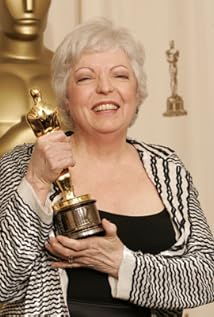
Thelma Shoonmaker
Editors must have a degree of technical aptitude and wide experience of the post production process. “Since most films are now edited on computers, they must also be able to use a variety of computer editing equipment. They should understand dramatic storytelling and be able to create rhythm, pace and tension.”- (creative skillset). An example of a famous editor in the film industry is Thelma Schoonmaker American film editor who has worked with director Martin Scorsese for over forty years. She has edited all of Scorsese's films since Raging Bull. Schoonmaker has received seven Academy Award nominations for best editing, and has won three times (for Raging Bull, The Aviator, and The Departed). Although film editors have a tough role and their responsibility in producing a product worthy of winning awards is hanging over their shoulders, it is the after effects editor who is probably going through the tougher road to get a successful final edit. I will move on to looking at the role of an after effects editor next.
--After Effects Editor--
An after effects editor works mainly in post-production. They are the right hand of the main editor and often have a harder more rigorous job to carry out. Regardless of whether they are working on a TV show production or a film, the after effects editor is responsible mainly for effects that are added on as an extra layer to the film or TV programme. This could stretch from something as small as the grading in each shot to CGI or even special effects. Management --Production Management--
Susie Field
A production managers job involves them managing the production from the beginning till the end. Their work can sometimes overlap with a producers job, as it entails some similarities. Nevertheless, the work of a production manager is also very essential and includes organizing the production, the finance and employment issues within the production. Also, they are in charge of the budget of the production, and how it is spent, making sure everything runs as smoothly as can be. An example of a production manager is Susie Field, whose work is in the television field. Working as a production manager for many years and building her experience. She has worked for; Steel Bank Films, Various, Stone City Films, Carlton Television and many more.
--Location(s) Manager--
Simon Hassard
Location managers being members of the film crew, are also very common in the film and especially the television industry. Their work involves finding and securing locations to be used, obtaining all fire, police and other governmental permits, and coordinating the logistics for the production to complete its work. Although this may seem quite simply, it can be very hard in reality. Simon Hassard is an example of a successful production manager, and has worked for many years in this role. One of his most recent productions includes the 'Heart Bingo TV Advert' which is a gambling company, the example is shown on the right. He has also been a location manager for the trailer of the ITV show 'Im a Celebrity, Get Me Out Of Here!'. This was for the 2015 series, and although when watching it an audience will not necessarily focus on the locations, it is clear from looking at it now that locations in any production are very important. They can be the reason why a production stands out and is successful or is unsuccessful.
--Field Manager--
It is often common to mistake a location manager with a field manager, as they are both concerned with the area in which the production is filmed. Their work is very similar, however what distinguishes a field manager with a location manager is that the location manager often has more power in deciding the locations of a production, leaving the field manager the job of overseeing all operations taking place in the field. Generally, a field manager's responsibilities include training, performance monitoring, planning, analyzing, and more general administrative duties to ensure that employees are working effectively and efficiently.
Creative
--Scriptwriter--
Danny Stack
Screenwriter for short, scriptwriter or scenarist is a writer who practices the craft of screenwriting, writing screenplays on which mass media such as films, television programs, comics or video games are based. They are needed in any production, unless the production does not have any dialogue. An example I have found is Danny Stack, whose work has accumulated throughout the years. His work includes ; an episode of the new Thunderbirds for CiTV (2015 tx). TV drama (EastEnders etc); Who Killed Nelson Nutmeg?, and many more.
--Director--
One of the most popular types of creative job role would be a Director. “A director is the driving artistic force behind the production. They direct both the crew and cast as to how they want a section to look or scene to be played. Directors oversee the artistic vision of a film. “Directors aren't usually involved in the financial side of filmmaking, unless they're wearing multiple hats as a producer-director.”- (howstuffworks). Directors' main duties include casting, script editing, shot composition, shot selection and editing.While the practical aspects of filmmaking, such as finance and marketing, are left to the Producer, Directors must also always be aware of the constraints of the film's budget and schedule. In some cases, Directors assume multiple roles such as Director/Producer or Director/Writer. Being a Director requires great creative vision, dedication and commitment.Directors are ultimately responsible for a film's artistic and commercial success or failure.
Directors may write the film's script or commission it to be written; or they may be hired after an early draft of the script is complete.“Directors must then develop a vision for the finished film, and define a practical route for achieving it.During pre-production, Directors make crucial decisions, such as selecting the right cast, crew and locations for the film.They then direct rehearsals and the performances of the actors once the film is in production.”- (creative skillset) Directors also manage the technical aspects of filming, including the camera, sound, lighting, design and special effects departments.
Quentin Tarantino
During post- production, Directors work closely with Editors through the many technical processes of editing, to reach the final cut or version of the film.At all stages, Directors are responsible for motivating the team to produce the best possible results.
Directors must have exceptional artistic vision and creative skills to develop an engaging and original film.“Unerring commitment and a deep passion for filmmaking are essential, along with the ability to act as a strong and confident leader.” – (creative skillset) Directors must constantly make decisions, but must also be able to collaborate with others.Excellent communication and interpersonal skills are vital to get the best from the filmmaking team.
Directors must inspire and motivate the team to produce the film they have envisioned.They need an extensive understanding of the entire filmmaking process, from both technical and creative points of view.
A well-known director is Quentin Tarantino who has been described by “filmmaker and historian Peter Bogdanovich as the single most influential director of his generation.
--Graphic Designer--
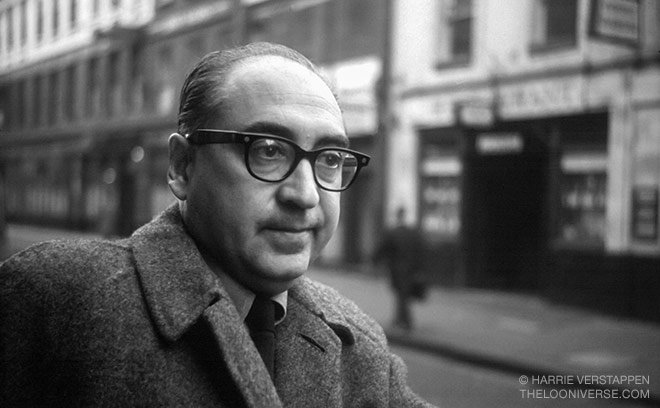
Saul Bass
An example of a famous graphic designer is Saul Bass was American graphic designer and filmmaker, perhaps best known for his design of film posters and motion picture title sequences. “During his 40-year career Bass worked for some of Hollywood's greatest filmmakers, including Alfred Hitchcock, Otto Preminger, Billy Wilder, Stanley Kubrick and Martin Scorsese. Amongst his most famous title sequences are the animated paper cut-out of a heroin addict's arm for Preminger's The Man with the Golden Arm, Hitchcock's North by Northwest, and the disjointed text that races together and apart in Psycho.”- (Wikipedia)